
Industry briefing
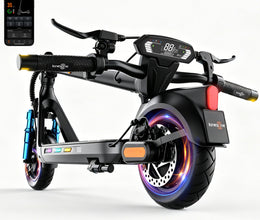
This three-day micromobility brief covers brand-safe public reporting from 15-18 May 2026. The strongest fresh stories center on e-scooter regulation, city-level operating rules, and shared micromobility expansion rather than new electric-unicycle product news. For electric unicycle (EUC) riders, the signal is still useful: personal electric vehicles are moving toward clearer speed classes, insurance expectations, reflector/visibility rules, and more structured rider education.
Europe: Greece moves toward stricter e-scooter controls
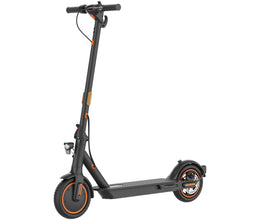
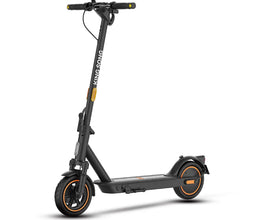
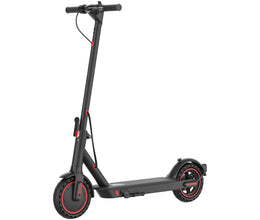
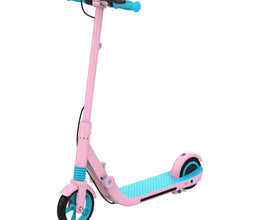
Greece is preparing a tighter national framework for electric scooters, including proposed adult-use requirements, speed limiters, insurance, and identification registration. The proposal reflects a wider shift in Europe: lightweight electric vehicles are no longer treated only as casual gadgets, but as transport devices that need clear operating rules.
- Greece regulatory proposal (reported 16 May 2026): OT.gr - Greece plans tough new rules for e-scooters
For Kingsong riders, the practical point is simple: where a city or country sets scooter speed classes, insurance rules, or identification requirements, EUC riders should check whether the same local definition also covers broader personal electric vehicles.
United States: local councils refine e-bike and e-scooter rules
In Wisconsin, La Crosse approved updated e-bike and e-scooter rules that classify e-bikes by assist speed and add visibility requirements for electric scooters. The ordinance also addresses sidewalk use and signage, showing how local governments are trying to balance safety, recreation, and everyday mobility.
- La Crosse ordinance approval (reported 15 May 2026): News 8000 - La Crosse approves e-bike and e-scooter regulations
- Paxton local regulation discussion (reported 15 May 2026): WCIA - Paxton considering local e-bike and scooter regulations
These local updates are relevant for EUC commuters because many city ordinances begin with e-scooters and e-bikes, then influence how broader micromobility devices are discussed. Riders should pay attention to sidewalk restrictions, reflector or lighting requirements, and how local code defines powered personal mobility.
United Kingdom: Bristol expands shared micromobility with parking controls
Bristol’s e-scooter and e-bike scheme is moving into a summer expansion phase, with new rider offers, beginner-friendly public sessions, and more designated parking areas. The story is useful because it shows the other side of regulation: cities can support micromobility growth when operators invest in parking, rider education, and more predictable operations.
- Bristol shared-mobility expansion (published 17 May 2026): Bristol Live - Bristol’s e-scooter expansion targets new users
For privately owned PEVs, including electric unicycles, the takeaway is that cities are increasingly linking access with responsible parking, rider training, and visible compliance. That is good context for riders choosing compact transport for urban commuting.
Community pulse: what EUC riders are discussing
Community discussion observed on 18 May 2026 in the Electric Unicycle Forum activity stream shows EUC riders focusing on many of the same issues appearing in public policy news: regulation tiers, cycle-path access, insurance, speed governance, and how self-balancing vehicles should handle compliance without reducing rider safety. This is not an official regulatory source, but it is a useful signal of what experienced riders are trying to understand.
- Regulation design: riders are discussing whether EUCs should be classified by sustained speed, device weight, licence requirements, or access rules for cycle paths and urban roads.
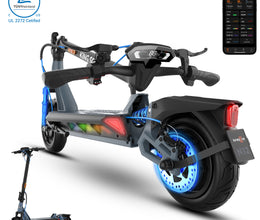
- Certification and battery confidence: forum activity also points to ongoing interest in UL certification, battery documentation, and safe charging habits for personal electric vehicles.
- Commuter fit: recurring buyer questions center on range, portability, wheel weight, app reliability, and whether a device is practical for mixed train, road, and bike-lane commuting.
For Kingsong readers, this community pulse supports the same practical takeaway as the three-day news cycle: the best electric unicycle choice is not only about peak speed or range. It is also about certified hardware, predictable ride modes, realistic commuting needs, and local compliance.
Positive industry signals: safety events and everyday riding
The same news window also produced constructive micromobility stories: public safety events, open-street programs, and everyday riders showing how compact electric mobility can fit into city life when education and compliance are part of the conversation.
- Bengaluru EUC commute story (published 11 May 2026): Asianet Newsable - Bengaluru commuter rides an electric unicycle 25 km to work
- Mont Belvieu safety event (event date 16 May 2026): City of Mont Belvieu - Roll & Ride Rodeo: Safety on 2 Wheels
- Portland open-street event (event date 17 May 2026): Portland.gov - Southwest Portland Sunday Parkways
For EUC riders, these stories add a useful counterweight to regulation-only headlines. The strongest path forward is not just more rules; it is better rider education, visible safety habits, and city programs that make lightweight transport easier to understand.
Event preview: EUC racing and PEV community gatherings
Activity preview, not a completed news item: Seek n Shred ShredFest 6 is scheduled for 28-31 May 2026 at Blue Mountain Event Center in Northern California. USA EUC describes the weekend as part race, part festival, and part rider community gathering, with EUC racing, camping, music, and technical off-road riding.
- Event preview (scheduled 28-31 May 2026): USA EUC - Seek n Shred EUC Racing and Onewheel Festival
Events like this matter because they show electric unicycles developing beyond a niche commuting tool into an organized rider category with training culture, event standards, and community-led skill progression.
Why this matters for electric unicycle (EUC) riders
Many new micromobility rules are written around e-scooters first, but electric unicycles often sit close to the same policy questions: speed classification, lane access, helmet age rules, night lighting, and (increasingly) identifiers or insurance. For riders comparing an electric scooter with an electric unicycle, the safest starting point is to map the device’s specifications to the rules where it will actually be ridden.
Practical checklist before your next ride
- Confirm local speed limits and where throttle PEVs may operate.
- Use certified charging equipment and factory-intended batteries.
- Wear appropriate protective gear; treat visibility as non-optional at night.
- Keep rental versus privately owned rules separate; fleet compliance does not always match consumer ownership.
Common rider questions about PEV rules
Are electric unicycles regulated the same way as e-scooters?
Not always. Some cities write rules specifically for e-scooters, while others use broader terms such as personal mobility vehicle, personal electric vehicle, or personal light electric transporter. Electric unicycle riders should check the local definition, not just the product category name.
What should commuters check before buying a PEV?
Commuters should look at maximum assisted speed, vehicle weight, lighting requirements, permitted riding areas, registration rules, and any third-party insurance requirements. These details matter for both daily e-scooter commuting and EUC commuting.
Do registration and insurance rules affect product choice?
They can. A device that is powerful enough for long-range commuting may fall into a different local class than a lightweight last-mile scooter. Before riding, compare the product specification sheet with the rules in your city, state, or country.
Choose hardware with compliance in mind
Regulations can vary by city, but a reliable PEV decision starts with clear specifications, responsible charging, and support from a focused mobility brand.
Disclaimer
This briefing summarizes publicly reported policy directions and official announcements. It is not legal advice. Laws change by city and country; riders must follow the rules in force where they ride. For product information and regional support, visit https://www.kingsong.com.
Kingsong focuses on engineered personal electric mobility. When regulations evolve, the hardware priority stays constant: predictable performance, thoughtful thermal design, and rider respect for local compliance.


